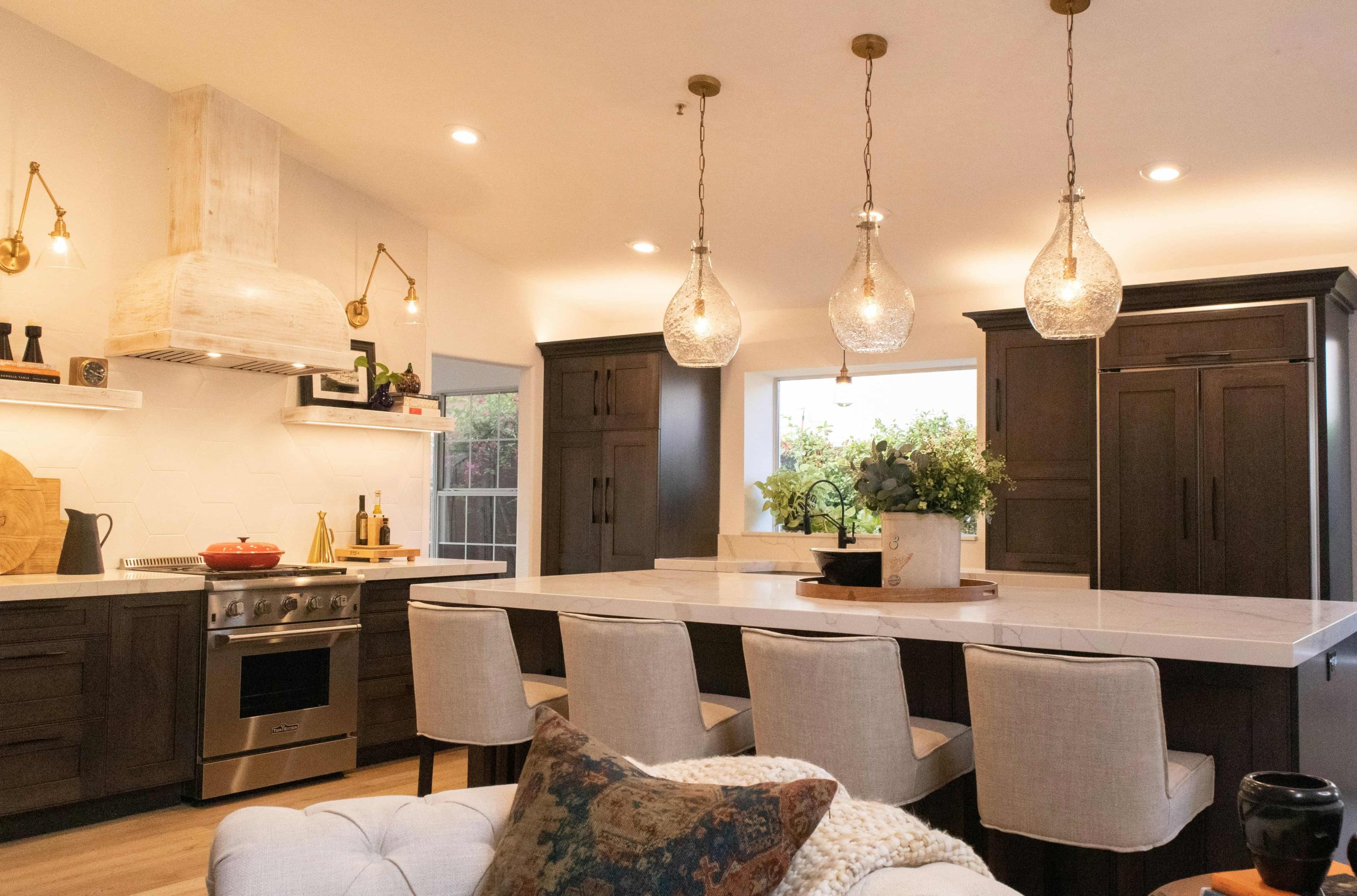
Lighting is the thing that decides whether a room feels calm and put together, or like you’re sitting in a dentist’s waiting room (no offense to dentists, but you know the feeling). What’s funny is most people focus on furniture and decor first, but lighting is what actually sets the mood, especially at night. A room can be beautifully styled and still feel off if the only light source is one bright overhead fixture blasting down like it’s interrogating you. The goal isn’t to make your home dark. It’s to make it warm, soft, and layered, so everything looks intentional.
The easiest way to get that finished feeling is to stop relying on one main light and start thinking in layers. In most rooms, you want a mix of light sources at different heights: something overhead if you need it, but also lamps and smaller glows that make the space feel lived in. Overhead lighting is fine for cleaning or finding something you dropped, but for actual living, lamps do the heavy lifting. The room instantly feels more relaxed once the brightest light isn’t coming straight down from above.
One thing that changes everything is bulb temperature. If your bulbs are that crisp, icy “daylight” tone, your room will always feel a little harsh at night, no matter how cute everything else is. Warm toned bulbs make whites feel softer, wood feel richer, and skin tones look better (which matters, since we do live here, and we do take photos). And once you have warm light, it gets a lot easier to build little pockets of glow: a table lamp on a console, a floor lamp near the sofa, a small lamp on a shelf or dresser. It’s less about having a ton of lights and more about placing a few in the right spots so the room has real depth.
The coziest rooms usually have three things going on: a soft overall glow, a focused light where you actually use the space, and one extra light that feels decorative, like a lamp highlighting a corner, a picture light over art, or a candle moment on a tray. That last one is what makes a space feel styled instead of just functional. And the best part is none of this requires a renovation. A couple of lamps and some thoughtfulness about placement can completely change how a room feels without adding any visual clutter.
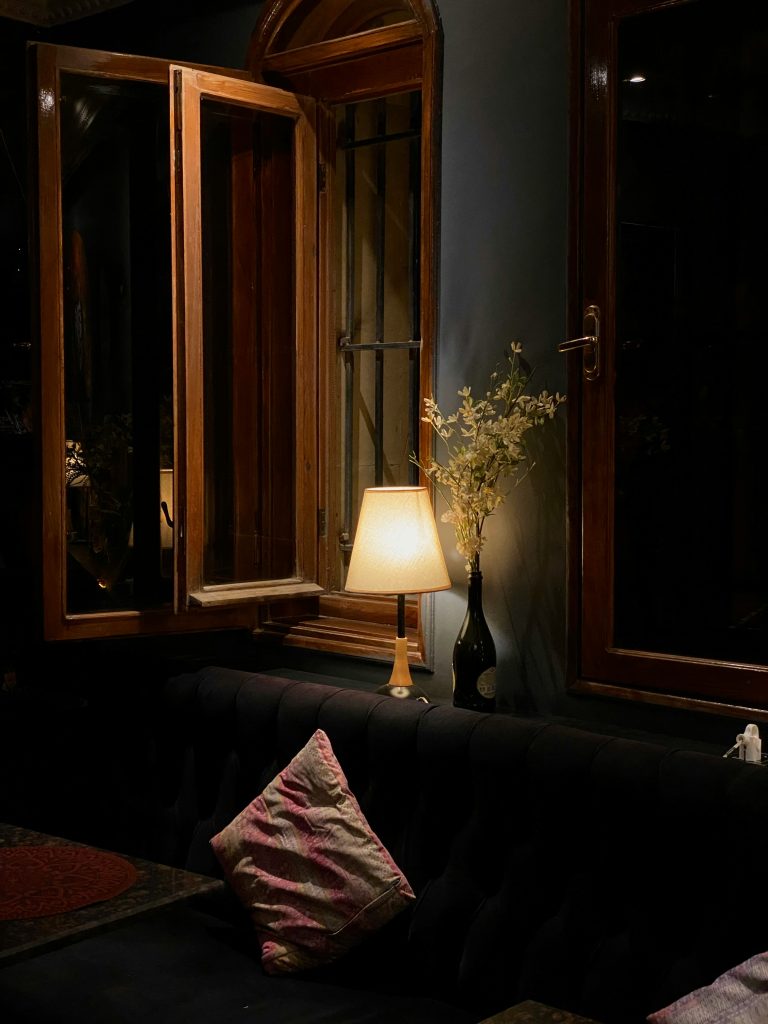
If you’re not sure whether your lighting is working, take a quick phone photo at night from the doorway. If it looks flat, you need more height variation. If it looks harsh, the overhead is doing too much. If it looks gloomy, you don’t need brighter light, you need better placed light. Once the lighting feels right, everything else in the room reads as more expensive and more intentional, even if you didn’t change a single piece of furniture.
Leave a Reply